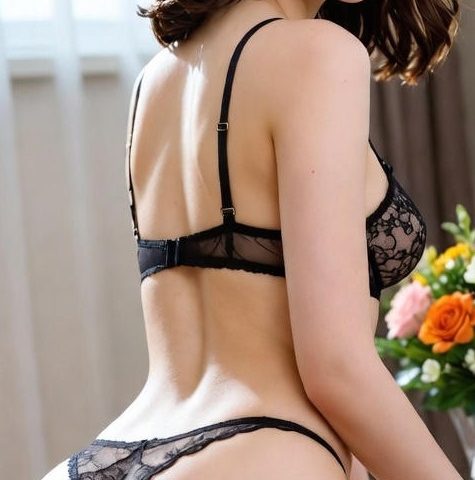
The intersection of AI boudoir photography and digital art has opened a new frontier for artists, photographers, and fashion designers. With advancements in generative AI for artists, creating AI-generated nude art or AI boudoir model creation has never been more accessible or creative. Whether you’re refining AI boudoir portrait generation for fashion concepts or experimenting with hyperrealistic digital models, this guide explores how to harness the power of AI to elevate your boudoir art workflows.
Why AI Boudoir Image Generators Are Changing the Game
For digital artists, the ability to generate AI boudoir illustrations or AI boudoir model renderings has become a game-changer. Traditional boudoir photography relies on physical models, lighting, and post-processing, but AI boudoir photography tools now allow artists to craft stunning visuals without the constraints of a studio. These tools leverage AI boudoir style rendering algorithms to produce AI-generated sensual artworks that align with your creative vision.
From AI boudoir art for fashion illustration to AI boudoir concept design, the possibilities are endless. Artists can now experiment with AI boudoir pose generation, AI boudoir model anatomy, and even AI boudoir art styling—all while maintaining control over aesthetics, mood, and narrative.
How AI Boudoir Image Generators Work: A Step-by-Step Guide
Using an AI boudoir image generator is straightforward, yet deeply customizable. Here’s how it typically functions:
Upload or Describe Your Reference
Many AI boudoir photography software platforms allow you to either upload a photo or describe the desired outcome. For example, you might input a prompt like:
“A hyperrealistic AI boudoir model in a vintage 1920s gown, soft golden lighting, sensual yet elegant pose.”
The AI then interprets this to generate a matching visual.
Select a Template or Style
Depending on the tool, you may choose from pre-designed AI boudoir templates or select a specific AI boudoir style guide. Whether you prefer a moody, cinematic, or playful tone, these templates act as a starting point for your creation.
Animate and Refine
Many digital art creation tools offer animation features, allowing you to bring your AI boudoir art to life with subtle movements or dynamic lighting shifts. You can also adjust details like AI boudoir model lighting, AI boudoir art textures, or even AI boudoir model consent considerations (if applicable).
Export and Share
Once satisfied, you can export your AI-generated boudoir sketches or AI boudoir portraits in high resolution for use in fashion sketches, digital exhibitions, or personal projects.
Creative Applications of AI Boudoir Image Generators
The versatility of AI boudoir art tools makes them invaluable across multiple creative disciplines. Here’s how artists are using them:
Fashion Illustration and Concept Art
Fashion designers leverage AI boudoir concept art to visualize garments, poses, and mood boards before final production. Tools like AI boudoir illustration tools enable quick iterations, allowing designers to experiment with AI boudoir model customization and AI boudoir art workflows without the need for physical models.
Digital Art and Portfolio Development
Digital artists use AI boudoir art generators to expand their portfolios with AI-generated erotic illustrations or AI boudoir photography enhancements. These tools help artists explore new styles, refine techniques, and even collaborate with AI to push creative boundaries.
Photography and Post-Processing
Photographers experimenting with AI boudoir photography editing can use AI to enhance existing images or generate entirely new AI boudoir photography innovations. Whether it’s adjusting AI boudoir model anatomy or refining AI boudoir art lighting, these tools add a layer of artistic control.
Educational and Experimental Projects
Students and educators explore AI boudoir art tutorials to understand digital anatomy, lighting techniques, and composition. The ability to generate AI boudoir model poses in real time makes these lessons more interactive and engaging.
Navigating Ethics and Consent in AI Boudoir Art
While AI boudoir photography tools offer incredible creative freedom, they also raise important ethical questions. As an artist, it’s crucial to consider:
Model Consent and Representation
If your work involves real individuals (even virtually), AI boudoir model consent must be prioritized. Many platforms emphasize AI boudoir art consent frameworks to ensure models are informed and comfortable with how their likeness is used.
Cultural Sensitivity and Diversity
AI boudoir art diversity should reflect real-world representation. Avoid stereotypes or overly idealized portrayals; instead, embrace inclusivity in AI boudoir model training to create more authentic and respectful art.
Copyright and Ownership
Understand the AI boudoir art copyright implications of your work. While AI-generated content may not always fall under traditional copyright laws, it’s wise to document your creative process and clarify ownership if collaborating with others.
Fair Use and Commercial Applications
If using AI-generated AI boudoir art for commercial purposes, research AI boudoir art fair use guidelines. Some platforms restrict commercial use, while others allow it with proper licensing.
How to Get Started with AI Boudoir Image Generation
Ready to explore AI boudoir art creation? Here’s how to begin:
- Choose the Right Tool: Look for platforms offering AI boudoir photography software with intuitive interfaces, customizable AI boudoir art prompts, and high-quality outputs.
- Experiment with Prompts: Start with broad descriptions (e.g., “a sensual boudoir portrait in a silk robe”) and refine based on the AI’s output. Play with AI boudoir art inspiration to discover new styles.
- Refine Your Style: Use AI boudoir style guides to align the AI’s output with your artistic vision. Adjust lighting, textures, and poses to match your desired aesthetic.
- Explore Collaborations: Join AI boudoir art communities to share feedback, learn from others, and collaborate on projects. Many platforms host AI boudoir art exhibitions where artists showcase their work.
- Stay Informed: Follow updates on AI boudoir photography regulations and AI boudoir art standards to ensure your work remains ethical and legally sound.
The Future of AI Boudoir Art: Trends and Innovations
The field of AI boudoir photography innovations is evolving rapidly. Here are some trends to watch:
- Real-Time AI Boudoir Model Rendering: Future tools may enable live adjustments to AI boudoir models, allowing artists to pose and style models in real time.
- Enhanced Anatomical Accuracy: Advances in AI boudoir model anatomy will make digital figures more lifelike, improving the realism of AI boudoir art.
- AI-Assisted Collaboration: Platforms may integrate AI boudoir art collaborations with human artists, blending AI-generated elements with hand-drawn or painted details.
- Ethical AI Frameworks: Greater emphasis on AI boudoir photography consent policies and AI boudoir art consent training will ensure responsible use of technology.
- Accessibility and Inclusivity: Tools will continue to prioritize AI boudoir art accessibility, offering customization options for diverse body types, abilities, and cultural backgrounds.
Unlocking Your Creative Potential with AI Boudoir Art
The rise of AI boudoir image generators has democratized the creation of AI-generated sensual artworks, empowering artists to explore new dimensions of expression. Whether you’re refining AI boudoir photography tools, experimenting with AI boudoir art trends, or collaborating on AI boudoir model pose generation, these technologies offer unparalleled flexibility.
As with any creative tool, the key lies in ethical practice, continuous learning, and a willingness to push boundaries. By integrating AI boudoir art techniques into your workflow, you’re not just keeping up with innovation—you’re shaping the future of digital art.
Ready to dive in? Try our AI boudoir photography AI service today—upload a photo, experiment with AI boudoir art prompts, and see what your creative vision can become.