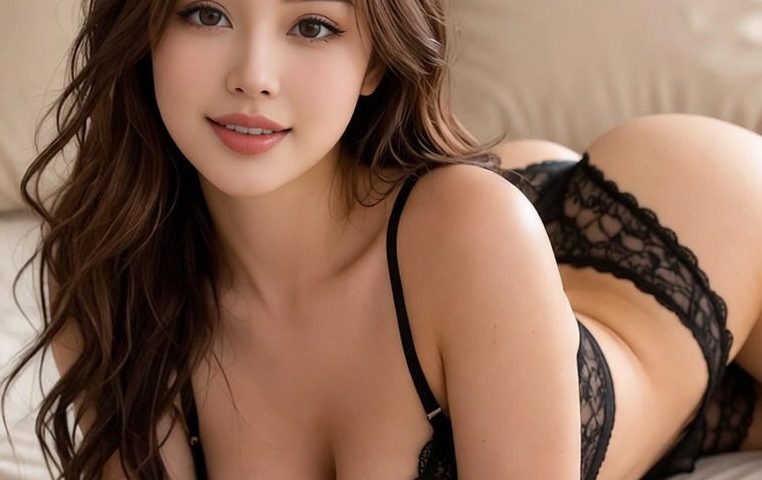
Discover how advanced AI art assistants and generative AI for artists are revolutionizing the way digital artists create‚ refine‚ and innovate—from concept art to final masterpieces.
Why Digital Artists Are Turning to AI-Powered Image Creation Tools
The landscape of digital art AI has evolved dramatically‚ offering artists powerful ways to accelerate their workflows‚ explore new styles‚ and push the boundaries of visual storytelling. Whether you’re a seasoned professional or an emerging creator‚ AI-powered image creation tools are becoming indispensable in the modern artist’s toolkit. From generating intricate AI-generated visuals to refining sketches with AI-assisted design software‚ these technologies are democratizing creativity like never before.
But what exactly can AI art creation platforms do for you? And how can you integrate them seamlessly into your artistic process? This guide explores the capabilities of today’s most advanced AI art tools for professionals‚ from generating stunning AI-powered illustrations to automating repetitive tasks‚ so you can focus on what truly inspires you.
Exploring the Capabilities of AI-Powered Image Generation
AI-Powered Concept Art and Character Design
For artists working on AI-generated character designs or AI-powered concept art‚ AI tools can serve as a powerful collaborator. Imagine uploading a rough sketch or a few reference images and receiving fully rendered‚ stylized characters with consistent anatomy‚ lighting‚ and expressions. These AI art assistants leverage deep learning art generation to analyze your input and produce variations that align with your vision—whether you’re designing heroes for a game‚ fantasy creatures for a novel‚ or even avatars for digital media.
Tools like AI art studios allow you to iterate quickly‚ testing different poses‚ outfits‚ and facial expressions without starting from scratch. This not only saves time but also encourages experimentation‚ helping you refine your ideas into polished concepts faster than traditional methods.
Automated Art Production and AI-Assisted Sketching
For those who struggle with blank pages or need to generate multiple variations of an idea‚ automated art production via AI is a game-changer. Whether you’re brainstorming AI-generated backgrounds for a scene or exploring AI-generated color palettes that complement your work‚ these tools can handle the heavy lifting. Simply input a prompt—such as “a cyberpunk city at dusk with neon signs and holographic billboards”—and watch as the AI generates multiple options in seconds.
Even in the early stages of creation‚ AI-assisted sketching can help artists refine their ideas. By analyzing your rough drafts‚ AI can suggest improvements in composition‚ perspective‚ or even suggest alternative layouts. This makes the process of AI-powered concept visualization more dynamic and collaborative.
AI-Generated 3D Models and Textures for Digital Artists
While traditionally a domain of 3D artists‚ AI-generated 3D models are becoming more accessible. Some AI art for game developers and AI art for animation platforms now offer tools to create low-poly or high-detail 3D assets from 2D references. This is particularly useful for indie developers or artists who need quick prototypes or assets for their projects.
Similarly‚ AI-generated textures can add depth to your work without the need for manual painting. Whether you’re creating a fantasy landscape or a sci-fi environment‚ AI can generate seamless patterns‚ materials‚ and surface details that enhance realism or stylization. This integration of machine learning-based art into 3D workflows is redefining how artists approach digital environments.
How to Integrate AI-Powered Tools into Your Artistic Workflow
Start with Prompts and References
The key to working with AI art assistants is crafting effective prompts. Instead of vague descriptions‚ provide specific details—such as “a detailed portrait of a medieval knight in armor‚ inspired by Gothic art‚ with a dramatic lighting effect;” The more precise your input‚ the better the AI can interpret and execute your vision.
You can also upload reference images or sketches to guide the AI. For example‚ if you have a rough sketch of a character‚ you can use it to generate multiple variations with different outfits‚ poses‚ or backgrounds. This hybrid approach—combining your artistic intuition with AI-powered digital illustration—can lead to more unique and personalized results.
Use AI for Iterative Refinement
AI tools excel at iterative refinement. Once you generate an initial set of images‚ you can use them to refine your ideas further. For instance‚ if you’re working on AI-generated fantasy art‚ you might generate a few character designs and then use those as references to create a cohesive world. The AI can help you develop consistent styles‚ color schemes‚ and even environmental details that tie everything together.
This process is especially useful for AI art for storytelling‚ where visual consistency across multiple scenes or characters is crucial. By leveraging AI-powered art generation platforms‚ you can maintain a unified aesthetic without the time-consuming manual work.
Experiment with AI for Style Transfer and Enhancement
One of the most exciting applications of AI art for digital artists is style transfer. You can take a simple sketch or a low-resolution image and transform it into a high-quality‚ detailed piece with the style of your choice—whether it’s watercolor‚ digital painting‚ or even a specific artist’s signature look. This is particularly useful for artists who want to explore different artistic directions without committing to a full rework.
Additionally‚ AI can enhance your existing work. If you have a rough draft or a concept that needs polish‚ you can use AI-powered digital art creation tools to refine edges‚ adjust lighting‚ or even add intricate details like textures or lighting effects. This makes the process of AI-powered art generation a collaborative one‚ where the AI acts as an extension of your creative process.
Practical Applications of AI-Powered Image Generation for Artists
AI Art for Game Development and Animation
Game developers and animators can benefit immensely from AI art for game developers and AI art for animation. From generating AI-generated character designs to creating AI-generated backgrounds and environments‚ AI tools can help streamline the pipeline. For example‚ you can quickly generate multiple variations of a character’s outfit or facial expressions to test different design choices without the need for manual rendering.
Additionally‚ AI can assist in creating AI-generated textures and materials for 3D models‚ reducing the time spent on repetitive tasks. This allows artists to focus on the creative aspects of game design‚ such as storytelling and level design.
AI Art for Marketing‚ Branding‚ and Advertising
For designers working in marketing‚ branding‚ or advertising‚ AI art for marketing and AI art for branding can be a game-changer. Whether you need to generate AI-generated logos‚ AI-generated visuals for social media‚ or AI-generated illustrations for campaigns‚ AI tools can produce high-quality assets in minutes. This is particularly useful for agencies or freelancers who need to deliver multiple concepts quickly.
Tools like AI-powered visual content generators can also help create cohesive visual identities by suggesting color palettes‚ typography‚ and design elements that align with your brand. This ensures consistency across all marketing materials‚ from digital ads to print collateral.
AI Art for Social Media and Digital Media
In the fast-paced world of social media‚ AI art for social media can help creators generate eye-catching content quickly. Whether you’re designing AI-generated portraits for profiles‚ creating AI-generated abstract art for posts‚ or generating AI-generated fantasy art for niche communities‚ AI tools can help you stay consistent and engaging.
For digital media creators‚ such as YouTubers or podcasters‚ AI can generate custom thumbnails‚ banners‚ or even animated visuals that enhance their content. This not only saves time but also allows for more creative experimentation‚ helping you stand out in a crowded digital space.
AI Art for UX/UI Design and Print Media
UX/UI designers can use AI art for UX/UI design to generate mockups‚ icons‚ and interface elements quickly. AI tools can help create AI-generated textures for buttons‚ backgrounds‚ or even entire UI kits tailored to specific themes or styles. This can accelerate the prototyping phase and allow designers to test different layouts and interactions more efficiently.
For print media‚ such as book covers‚ magazines‚ or posters‚ AI art for print media can generate high-resolution visuals that meet professional standards. Whether you’re designing a AI-generated landscape art for a travel magazine or a AI-generated portrait art for a biography‚ AI tools can ensure your final product is polished and visually compelling.
Ethical Considerations and Best Practices for AI-Powered Art
While AI-powered art generation offers incredible opportunities‚ it’s important to approach it responsibly. Here are a few best practices to ensure ethical use:
- Credit and Collaboration: If you’re using AI to generate art for clients or commercial projects‚ be transparent about the role of AI in the creative process. Some clients may appreciate the efficiency and innovation it brings‚ while others may prefer fully handcrafted work. Always communicate openly to build trust.
- Avoid Misrepresentation: Ensure that the images generated by AI are used appropriately and do not mislead viewers. For example‚ if you’re creating AI-generated character designs for a game‚ make sure the characters are represented accurately and respectfully‚ avoiding stereotypes or harmful portrayals.
- Protect Intellectual Property: Be mindful of copyright and usage rights. While many AI art assistants generate original content‚ it’s important to verify that the tools you’re using comply with relevant laws and ethical guidelines. Some platforms may have restrictions on commercial use or require attribution.
- Balance Automation with Creativity: While AI can handle many tasks efficiently‚ the most compelling art often comes from human creativity and emotion. Use AI as a tool to inspire‚ refine‚ and accelerate your work‚ but don’t rely on it entirely. The best results come from a blend of AI-powered creativity and your unique artistic voice.
Ready to Explore AI-Powered Image Generation?
If you’re eager to dive into the world of AI art for creative professionals‚ there’s no better way to start than by experimenting with AI-powered art creation tools yourself. Many platforms offer free trials or free credits‚ allowing you to upload a photo‚ generate AI-powered variations‚ and see the magic of neural network image synthesis in action.
Imagine uploading a simple sketch or a reference photo and receiving a collection of stunning AI-generated visuals that push your imagination further. Whether you’re looking to refine your AI-generated character designs‚ create AI-generated backgrounds for your projects‚ or simply explore new artistic styles‚ these tools are designed to empower your creativity.
Start your journey today by uploading a photo and discovering what AI art assistants can create. You might be surprised by how seamlessly AI-driven digital art can integrate into your workflow—and how much it can inspire your next masterpiece.
The Future of Digital Art is AI-Powered
The integration of AI art tools for professionals into the creative process is not just a trend—it’s a revolution. From AI-powered illustration to AI-generated 3D models‚ these tools are redefining what artists can achieve‚ how quickly they can achieve it‚ and the level of detail they can bring to their work.
As AI-powered creative tools continue to evolve‚ the possibilities for AI art for artistic expression and innovation are limitless. Whether you’re a seasoned professional or an aspiring artist‚ embracing these technologies can open doors to new creative horizons. The question isn’t whether you should use AI—it’s how you can use it to enhance your art and bring your visions to life.
So why wait? Start experimenting today and see how AI art for artistic innovation can transform your creative process.